
Scientific and Clinical Advisory Board
Our scientific and clinical advisory board is comprised of some of the most highly regarded physicians and researchers in the field of neuroimmunology, immunopsychiatry, autism, and inflammatory brain conditions.
Please click on each photograph to access the board member’s biography.

Stewart Campbell, PhD
Senior Vice President, Research & Development – Axial Biotherapeutics, Inc.
Dr. Campbell has more than 26 years of research experience in drug discovery and development, including the past several years at Axial Biotherapeutics working to develop safe and effective therapies for improving the quality of life for children with autism. He has built and led research teams involved in a variety of environments from early stage research through to advanced clinical development in small start-ups to mid-sized companies. Through team work with capable colleagues he has been fortunate to have triaged several drug candidates from the idea stage to clinical proof-of-concept in multiple disease areas. He received a Ph.D. in Organic Chemistry from the Queen’s University (Canada), which was followed by post-doctoral research at Duke University. He has consulted for several start-up companies in multiple technology and therapeutic areas in the Greater Boston area and is co-inventor on more than 15 issued patents.
Stewart Campbell, PhD
Senior Vice President, Research & Development, Axial Biotherapeutics, Inc.

Jennifer Frankovich, MD
Clinical Professor in the Department of Pediatrics, Division of Immunology & Rheumatology – Stanford University & Lucile Packard Children’s Hospital
Dr. Frankovich is a Clinical Professor in the Department of Pediatrics, Division of Allergy, Immunology Rheumatology (AIR) at Stanford University/Lucile Packard Children’s Hospital (LPCH). Her clinical expertise is in systemic inflammatory and autoimmune diseases that co-occur with psychiatric symptoms. She completed her training in pediatrics, pediatric rheumatology, and clinical epidemiology at Stanford University/LPCH. She directs the Stanford PANS Program (2012- present) where she and her collaborators have created a longitudinal clinical database and large biorepository of patient and control biospecimens. In addition to generating clinical data to better understand the PANS illness, she is collaborating with 10 basic science labs who aim to understand the immunological underpinnings of the illness.
Jennifer Frankovich, MD
Clinical Professor in the Department of Pediatrics, Division of Immunology & Rheumatology, Stanford University

Richard Frye, MD, PhD
Chief of the Division of Neurodevelopment Disorders – Phoenix Children’s Hospital
Dr. Richard Frye is a Child Neurologist with expertise in neurodevelopmental and neurometabolic disorders. He is the Chief of the Division of Neurodevelopmental Disorders at Phoenix Children’s Hospital and received an MD and PhD in Physiology and Biophysics from Georgetown University. He completed a residency in Pediatrics at the University of Miami, Residency in Child Neurology and Fellowship in Behavioral Neurology and Learning Disabilities at Harvard University/Children’s Hospital Boston and Fellowship in Psychology at Boston University. He also received a Masters in Biomedical Science and Biostatistics from Drexel University. He holds board certifications in General Pediatrics, and in Neurology with Special Competence in Child Neurology. He has authored over 150 peer-reviewed publications and book chapters, and serves on several editorial boards. He has conducted several clinical trials demonstrating the efficacy of safe and novel treatments that target underlying physiological abnormalities in children with neurodevelopmental disorders.
Richard Frye, MD, PhD
Chief of the Division of Neurodevelopment Disorders, Phoenix Children’s Hospital

Brent T Harris, MD, PhD, FCAP
Associate Professor of Pathology and Neurology, Director of Neuropathology, Director – Georgetown Brain Bank at Georgetown University Hospital
Director, Histopathology and Tissue Shared Resource – MedStar Health/Georgetown University Medical Center
Dr. Harris is a tenured faculty member of Georgetown University with dual appointments in Neurology and Pathology. As a neuropathologist and physician-scientist Dr. Harris has clinical, research, and teaching interests in neurological and oncological diseases. He has active collaborations and research programs in his own lab in the areas of neurodegeneration and CNS neoplasia. His primary interest is in understanding how mechanisms of neuroinflammation and glial-neuronal communication influence the pathophysiology of neurological diseases. In addition to investigating disease processes he also seeks to uncover targets for pharmacological intervention.
Brent Harris, MD
Associate Professor of Pathology and Neurology, Director of Neuropathology, Director, Histopathology and Tissue Shared Resource – Georgetown Brain Bank at Georgetown University Hospital;
MedStar Health/Georgetown University

Ritika Kapoor, MB BS, FRCPCH, PhD
Consultant Paediatric Endocrinologist & Adjunct Senior Lecturer, King’s College Hospital NHS Foundation Trust & King’s College London
Dr, Kapoor obtained her primary medical degree from University of Mumbai in 1997. Following her MRCPCH in 2001, she received specialist Paediatric training on the East of England Deanery and obtained dual CCT in Paediatrics and Diabetes and Endocrinology in 2010. She trained in Paediatric Diabetes and Endocrinology at Addenbrooke’s Hospital, Cambridge and Great Ormond Street Hospital in London. She obtained a PhD from University College London on Genetics of Congenital Hyperinsulinism in 2010 and since then has been a Consultant in Paediatric Endocrinology at King’s College Hospital NHS Foundation Trust. She also holds an Adjunct Senior Lecturer position at King’s College London.
Her research interest focuses on congenital hyperinsulinism, growth hormone therapy and neuroendocrinology. She was recently awarded the MRC Clinical Academic Research Partnership (CARP) award to investigate the role of oxytocin in neurobehavioural problems in children with disorders of the hypothalamo-pituitary axis.
Ritika Kapoor, MB BS, FRCPCH, PhD
Consultant Paediatric Endocrinologist and Honorary Reader, King’s College Hospital NHS Foundation Trust & King’s College London

Golam Khandaker, MBBS, MPhil, PhD, FRCPsych
Professor of Psychiatry and Immunology, and MRC Investigator; Head, Immunopsychiatry Programme, MRC Integrative Epidemiology Unit; Co-Lead, NIHR Bristol BRC Mental Health Theme
Golam Khandaker is a Professor of Psychiatry and Immunology, and Medical Research Council (MRC, UK) Investigator at the University of Bristol Medical School, and an Honorary Consultant Psychiatrist in General Adult Psychiatry in the UK National Health Service (NHS). He leads the Immunopsychiatry Programme at the MRC Integrative Epidemiology Unit at the University of Bristol and Co-Leads the NIHR Bristol Biomedical Research Centre Mental Health Theme. His research focuses on identifying and validating novel immunological mechanisms and potential treatment targets for depression and schizophrenia using epidemiological cohort studies, genetic analysis, and early-phase clinical trials. Golam pioneered the use of population-based cohort and Mendelian randomization (a genetic causal inference method) studies for examining the role of inflammation in psychiatric conditions, particularly the issue of causality. His notable work includes cohort and Mendelian randomization studies providing evidence for a potentially causal role of the inflammatory cytokine interleukin six (IL-6) in depression and schizophrenia. These findings have led to two ongoing proof-of-concept randomized controlled trials of anti-cytokine monoclonal antibody treatment for adults with depression and schizophrenia. Golam is the Lead Editor of the Textbook of Immunopsychiatry published by Cambridge University Press (with co-editors Harrison, Bullmore, and Dantzer), and editorial board member for four journals including Brain, Behavior, and Immunity, the leading journal in the field of psychoneuroimmunology/immunopsychiatry.
Golam Khandaker, MBBS, MPhil, PhD, FRCPsych
Professor of Psychiatry and Immunology, University of Bristol

Vikas Khanduja, MB BS, MA, MRCS, MSc, FRCS
Consultant Orthopaedic Surgeon & Lead for Elective Clinical Trials – Cambridge University Hospital NHS Trust
Dr. Vikas Khanduja is a Consultant Orthopaedic Surgeon specializing in hip and knee surgery and has a particular interest in arthroscopic surgery of the hip. He has been instrumental in setting up & developing the tertiary referral service for Young Adult Hip Surgery in Cambridge. Complementing his clinical practice, his research interests centre around disease stratification of FAI using novel imaging techniques, better pre-operative planning tools using dynamic analysis and optimization of arthroscopic management of FAI via precision surgery to improve outcomes. He has authored over 100 peer reviewed articles (Pubmed) and three books. He is the recipient of the American and British Hip Society Traveling Fellowship in 2011, the Arnott Medal presented by the Royal College of Surgeons of England in 2013 and the Insall Fellowship presented by the American Knee Society and Insall Foundation in 2014. Dr. Khanduja sits on the Board of Directors for SICOT as Chair of Education Academy, the British Hip Society as the Vice President, ESSKA as the Chair of the Hip Arthroscopy Committee and the NIHR MSK NSG as the Orthopaedic Lead for the Eastern Region. He is also the Associate Editor to the Bone and Joint Journal & the past chair to the Non Arthroplasty Hip Registry (NAHR).
Vikas Khanduja MB BS, MA, MRCS, MSc, FRCS
Consultant Orthopaedic Surgeon & Lead for Elective Clinical Trials, Addenbrooke’s – Cambridge University Hospital NHS Trust
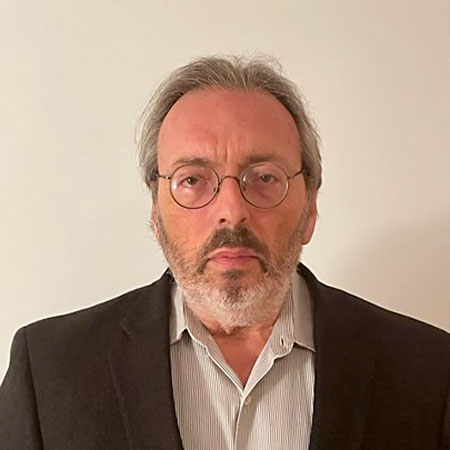
Herbert M. Lachman, MD
Professor, Department of Psychiatry and Behavioral Sciences, Medicine, Genetics, and Neuroscience, Albert Einstein College of Medicine
Dr. Lachman is a physician-scientist who is clinically trained in internal medicine and
hematology but does basic research on the molecular and genetic basis of neuropsychiatric and neurodevelopmental disorders. He is the director of the Program of Behavioral Genetics at the Albert Einstein College of Medicine in New York. Dr. Lachman was one of the first investigators to use induced pluripotent stem cells (iPSCs) to study neuropsychiatric and neurodevelopmental disorders. Dr. Lachman has written more than one-hundred papers and book chapters, and is the author of a book called, “Battle of the Genomes: The struggle for survival in a microbial world.” He is actively involved in teaching medical students, graduate students, and physicians in the Clinical Research Training Program, and has won several teaching awards.
Herbert M. Lachman, MD
Professor, Department of Psychiatry and Behavioral Sciences, Medicine, Genetics, and Neuroscience, Albert Einstein College of Medicine

Marion Leboyer, MD, PhD
Professor and Chair of the Department of Psychiatry & Addictology, University Paris-Est Créteil; Director, Translational Neuropsychiatry Lab; CEO, Fondation FondaMental
Marion Leboyer, M.D., Ph.D. is a Professor of Psychiatry at the University of Paris Est (UPEC) in France. She is the head of the Department of Psychiatry and Addiction (H Mondor, Créteil). She also runs the laboratory “Translational Neuropsychiatry” which is part of Mondor Institute for Biomedical Research. Since 2007, she has been the Executive Director of a non-profit foundation, “Fondation FondaMental” created by the French Ministry of Research. Dr. Leboyer has authored or co-authored more than nine hundred peer-reviewed international publications (H-factor = 100) and is part of the highly cited researchers (Clarivate) since 2018. In December 2021, she received the Inserm Grand Prize.
Her research efforts contributed to better identification of genetic and environmental risk factors associated with major psychiatric disorders towards a better understanding of causal mechanisms. In particular, she has contributed to the identification of associations of genetic vulnerability factors, immune dysfunctions in major mood disorders, but also of environmental risk factors as well as brain imaging abnormalities. Her goal is to develop biomarker signatures to better identify homogenous subgroups of psychiatric disorders paving the way to mechanisms-based treatments. Within the expert center network centers created and coordinated by Fondation FondaMental, several cohorts of patients have been followed allowing for the construction of shared observational databases and biobanks. These networks have enabled multiple collaborations within different national and international research programs. Dr. Leboyer is the principal investigator of several international and national research projects.
Marion Leboyer, MD, PhD
Professor and Chair of the Department of Psychiatry & Addictology, University Paris-Est Créteil; Director, Translational Neuropsychiatry Lab; CEO, Fondation FondaMental

Belinda Lennox, DM, FRCPsych
Professor and Head of the Department of Psychiatry, University of Oxford
Belinda Lennox is a Professor and the Head of the Department of Psychiatry at the University of Oxford. Her interests are in discovering the causes of and developing more effective treatments for those with severe mental illness. She leads a research programme studying the possible autoimmune causes of mental illness (www.sinapps.org.uk), which includes clinical trials of immunotherapy in people with psychosis.
Belinda Lennox, DM, FRCPsych
Professor and Head of the Department of Psychiatry, University of Oxford

John Lukens, PhD
Associate Professor of Neuroscience, Center for Brain Immunology and Glia (BIG) – University of Virginia
John Lukens, PhD is an associate professor at the University of Virginia and runs the Luken lab in the Department of Neuroscience and the Center for Brain Immunology and Glia. His lab investigates roles for IL-1 family cytokines and caspase-mediated signaling in the pathogenesis of multiple sclerosis, traumatic brain injury, neurodegenerative disease and autism spectrum disorder. They are particularly interested in discovering novel inflammatory pathways that contribute to maternal immune activation-induced autism and interrogating the efficacy of immune-based approaches in the treatment of autism.
He and his lab are actively investigating the cellular and molecular pathways that contribute to neuroinflammation and central nervous system (CNS)-related tissue damage. And particularly interested in elucidating the mechanisms that regulate inflammatory cytokine production in the CNS in response to both tissue injury and CNS infection. To this end, they utilize models of multiple sclerosis, CNS injury, neurodegenerative disease, autism spectrum disorder and CNS infection to identify the cell types and molecular pathways that are responsible for neuroinflammation. Future work in his lab will focus on further characterizing the immunological signaling pathways that control neuroinflammation in models of neurodegeneration, CNS injury and CNS infection.
Luken also explores how modulation of the microbial landscape in the intestine influences the development of CNS disorders. Emerging data suggests that crosstalk between the intestinal microbiome (collection of trillions of microbes that peacefully live within us) and the brain is a pivotal regulator of many CNS diseases; however , the mechanisms by which the microbiome can influence CNS disease pathogenesis remain poorly defined. Luken’s work is aimed at investigating how microbiota-dependent control of immune responses specifically influences neurological disease pathogenesis, CNS function and mental health.
John Lukens, PhD
Associate Professor of Neuroscience, Center for Brain Immunology and Glia (BIG), University of Virginia

Sarkis K. Mazmanian, PhD
Professor of Microbiology, Division of Biology & Biological Engineering – California Institute of Technology
Sarkis K Mazmanian, PhD, is the Luis & Nelly Soux Professor of Microbiology in the Division of Biology & Biological Engineering at the California Institute of Technology (Caltech). He is a Phi Beta Kappa graduate from the University of California, Los Angeles, where Dr. Mazmanian also received his doctoral training in microbiology and immunology studying the mechanism by which Gram-positive pathogens anchor surface protein adhesins during bacterial infection. He was a Helen Hay Whitney Post-doctoral Fellow at Harvard Medical School where he studied how symbiotic bacteria promote healthy maturation of the immune system. He was promoted to assistant professor at Harvard Medical School in 2006, and later that year moved to Caltech to start his independent laboratory. Dr. Mazmanian has won numerous awards including a Searle Scholar, Young Investigator of the Year at Harvard Medical School, Damon Runyon Innovation Award, was named by Discover Magazine as one of the “Best Brains in Science under 40” and recently received the MacArthur Foundation “Genius” award. His laboratory currently focuses on the study of beneficial bacterial molecules from the human gut microbiome as novel therapies for immunologic and neurologic disorders. This research has led to identification of novel drug candidates being developed for Inflammatory Bowel Disease, Autism Spectrum Disorder, and Parkinson’s disease. He is a founder of 2 biotech companies and serves on the Scientific Advisory Board of over a dozen companies, academic centers and not-for-profit foundations. Most importantly, Dr. Mazmanian has trained numerous students and fellows who have gone on to successful independent careers in academia, industry, and medicine.
Sarkis Mazmanian, PhD
Professor of Microbiology, Division of Biology & Biological Engineering, California Institute of Technology

Naveen Nagarajan, PhD
Postdoctoral Associate, Dr. Mario Capecchi Lab, Eccles Institute of Human Genetics – University of Utah
Naveen Nagarajan is Postdoctoral associate in the laboratory of Dr. Mario Capecchi at the Department of Human Genetics, University of Utah. His work is focused on investigating the neural circuit and cellular mechanisms underlying microglia-neuronal interaction in repetitive behaviors using multidisciplinary neuroscience approaches that include genetics, behavioral, optogenetics, miniature fluorescence endoscopy, electrophysiological and computational approaches. Dr. Nagarajan received his PhD in Chemistry with specialization in Biophysics and Neuroscience from the Department of Membrane Biophysics, Max Planck Institute for Biophysical chemistry, Goettingen, Germany under the able guidance of Dr. Christian Rosenmund and Dr. Erwin Neher. He did a postdoctoral fellowship in cellular neuroscience in Mark Bear’s lab at the Picower Institute for Learning and Memory at MIT and systems neuroscience at the Keck Center for Integrative Neuroscience at the University of California, San Francisco with Dr. Michael Merzenich. He joined Dr. Mario Capecchi’s laboratory as a Postdoctoral fellow in 2009 to investigate the role of Hoxb8 gene function in repetitive, anxiety and social behavioral functions in Hoxb8 mutant mouse model of repetitive behaviors. Combining functional magnetic resonance imaging and whole brain imaging techniques in conjunction with electron microscopy and electrophysiological approaches, Dr. Nagarajan discovered corticostriatal circuit defect in Hoxb8 mutants. Unlike mutations in other neuronal genes that lead to repetitive behaviors, Hoxb8 gene is exclusively expressed in 30% of the brain microglia. Using optogenetics and miniature endofluorescence imaging techniques the team for the first time discovered that the optogenetic stimulation of Hoxb8 microglia could induce repetitive grooming behavior in a control mouse. This resulted in a paradigm shift on how brain utilizes unique microglial function and capabilities to generate specific behaviors in circuit dependent and cell specific fashion. These studies provide a novel research direction and insights to unravel the mechanisms of microglia-neuronal communication in repetitive behaviors. The communicative signals between the brain’s immune cell and neural circuit is the first of its kind that will lead to the elucidation of how mutations in immune cell, the response of the neural circuit and the brain microenvironment directly impacts the cognitive, emotional and social function of brain in healthy and disease states.
Naveen Nagarajan, PhD
Postdoctoral Associate, Dr. Mario Capecchi Lab, Eccles Institute of Human Genetics, University of Utah

Mark Pasternack, MD
Chief of Pediatric Infectious Disease, Massachusetts General Hospital Associate
Professor of Pediatrics, Massachusetts General Hospital, Harvard
Mark Pasternack, MD, specializes in Pediatric Service, Infectious Disease Unit, and Chief, Pediatric Infectious Disease Unit, at Massachusetts General Hospital. Educated at Harvard Medical School, Dr. Pasternack completed his residency and clinical infectious disease fellowship at Massachusetts General Hospital and a research fellowship at the Center for Cancer Research, Massachusetts Institute of Technology. Author of numerous papers and articles for prestigious medical journals, Dr. Pasternack is an officer of the Massachusetts Infectious Diseases Society and a member of the Pediatric Infectious Disease Society as well as the Infectious Diseases Society of America. His broad clinical interests include Infectious Disease and Pediatric Infectious Disease. Dr. Pasternack has provided clinical care to PANS/PANDAS patients for over a decade and has participated in the PANS/ PANDAS Research Consortium to develop clinical guidelines for the management of these patients.
Mark Pasternack, MD
Chief of Pediatric Infectious Disease, Massachusetts General Hospital; Associate Professor of Pediatrics, Harvard
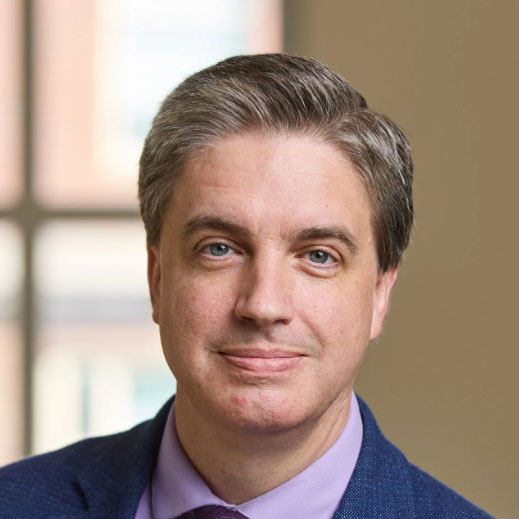
Chris Pittenger, MD, PhD
Professor of Psychiatry
Yale University
Chris Pittenger earned his MD and Ph.D. degrees from Columbia University, where his graduate work was done with Nobel Prize recipient Eric Kandel. He returned to Yale University, his undergraduate alma mater, for residency and research training in psychiatry in 2003. He joined the faculty as an Assistant Professor in 2007 and is now a tenured Associate Professor and Assistant Chair for Translational Research in the Department of Psychiatry .
During his Ph.D. studies in basic neurobiology, he became fascinated by the brain’s ability to go on autopilot — to perform complex series of actions or thoughts, after sufficient rehearsal, with almost no conscious effort. Then, during his clinical training, he recognized how this process, when disrupted by disease, can lead to the maladaptive and disruptive automaticity seen in many neuropsychiatric disorders. His research, both with patients and in animal models, aims to elucidate the mechanisms of learned automatic behaviors and to better understand the consequences when they go awry, with the ultimate goal of developing new understandings and better treatments for a variety of neuropsychiatric conditions.
Dr. Pittenger’s research and clinical work have been acknowledged by a number of prestigious awards, including grant funding from the National Institute of Mental Health, the National Institute of Neurological Disease and Stroke, NARSAD, the Tourette Syndrome of America, the Doris Duke Charitable Trust, and other organizations. He has won a number of honorific awards, including from the National Institute of Mental Health, the Society for Neuroscience, the American College of Neuropsychopharmacology, the American Psychiatric Association, and the American College of Psychiatrists. He is a member of the Scientific Advisory Board of the International OCD Foundation and Chair of both their Grant Review Committee and their Annual Research Symposium Planning Committee. He is a Fellow of the American College of Neuropsychopharmacology, the American Psychiatric Association, and the American Neurological Association.
Chris Pittenger, MD, PhD
Professor of Psychiatry; Assistant Chair for Translational Research, Psychiatry; Director, Yale OCD Research Clinic; Director, Neuroscience Research Training Program, Yale Department of Psychiatry

Sam Pleasure, MD, PhD
Glenn W. Johnson, Jr. Memorial Endowed Chair in Neurology – University of California, San Francisco
Dr. Sam Pleasure is the Glenn W. Johnson, Jr. Memorial Endowed Chair in Neurology at UCSF. Dr. Pleasure is a neurologist who specializes in caring for patients with multiple sclerosis. He also has expertise in caring for patients with epilepsy as well as years of experience in managing a variety of neurological conditions in both clinic and hospital settings. Dr. Pleasure has two main areas of inquiry for his research. He studies processes that regulate early brain development in both normal and diseased situations. He also studies autoimmune forms of meningoencephalitis, where inflammation in specific brain areas causes severe neurologic dysfunction. Pleasure received his medical degree and a doctorate in neuroscience from the University of Pennsylvania. He was chief resident during his neurology residency at UCSF, where he then completed a research fellowship in neuroscience Pleasure is a fellow of the American Neurological Association and a member of the American Academy of Neurology, American Epilepsy Society, Society for Neuroscience, Society for Developmental Biology and Cajal Club. He has won numerous awards for his research and has received research funding from a wide variety of private, state and federal sources. He has served in leadership roles in national organizations and in the UCSF Department of Neurology.
Sam Pleasure, MD, PhD
Glenn W. Johnson, Jr. Memorial Endowed Chair in Neurology, University of California, San Francisco

Emily Severance, PhD
Assistant Professor of Pediatrics – Johns Hopkins University School of Medicine
Dr. Emily G. Severance is an assistant professor of pediatrics at the Johns Hopkins University School of Medicine. She is a member of the Stanley Division of Developmental Neurovirology research team and has served with the Scott-Gentle Foundation of The Brain and Behavior Research Foundation and the Johns Hopkins Silvio O. Conte Center for SchizophreniaResearch. As part of her ongoing research program, Dr. Severance focuses on the major gateway of the immune system, the gastrointestinal mucosa, where inflammation, food hypersensitivities, barrier defects and immune dysregulation can cause downstream brain dysfunction in people with psychiatric disorders. She is also involved in research studies of
COVID-19 and the roles of other viral, bacterial and fungal pathogens in mental illness. Dr. Severance earned her B.S. from the University of Maryland and her Ph.D. from the University of South Florida.
Emily Severance, PhD
Assistant Professor of Pediatrics, Johns Hopkins University School of Medicine

Robert Yolken, MD
Professor of Neurovirology in Pediatrics – Johns Hopkins University School of Medicine
Dr. Robert H. Yolken is the Theodore and Vada Stanley Distinguished Professor of Neurovirology in the Department of Pediatrics at the Johns Hopkins University School of Medicine. He is also the chair of the Stanley Division of Pediatric Neurovirology, the nation’s first pediatric research center designed to investigate links between severe mental illness (including schizophrenia and manicdepressive disorders) and early childhood viral infection.
He and his research colleagues speculate that infectious agents can invade the brain and then lie dormant for years before triggering the onset of schizophrenia or manic-depressive illness in adolescence and young adulthood. Neuropathogenic microorganisms can also affect cognition and behavior through alterations in the immune system of the microbiome. They are investigating as possible microbial triggers Herpesviruses, Influenza viruses, and Coronaviruses, as well as Toxoplasma gondii which is a protozoan which can be transmitted to humans by cats and undercooked meat from farm animals. They believe that in the future antiviral, antimicrobial, or anti-inflammatory medications might be developed to treat or prevent schizophrenia in some individuals.
The overall goal of the research laboratory is to develop a training and research program devoted to the elucidation of the role of infection and immunity in the etiology of schizophrenia and bipolar disorders as well as suicide behaviors. Interests also include elucidating the role of perinatal infections in subsequent brain development.
Dr. Yolken received his M.D. from Harvard Medical School and completed a residency at Yale New Haven Hospital. He also trained at the National Institutes of Health before joining the Hopkins faculty in 1979.
He is author or coauthor of more than 500 scientific papers as well as Beasts of the Earth and several editions of the Manual of Clinical Microbiology.
Robert Yolken, MD
Professor of Neurovirology in Pediatrics, Johns Hopkins University School of Medicine, School of Public Health
